Airport to Botany bus rapid transit
Airport to Botany bus rapid transit is a dedicated busway that connects Auckland Airport to Manukau and Botany providing a fast, reliable and safe bus service.

On this page
Project details
Start date
2019End date
To be confirmedLocation
Between Auckland Airport and Botany along Te Irirangi DriveTransport involved
Walking, driving, bus and cyclingOverview
The Airport to Botany busway is a planned, 18km long rapid transit corridor.
It is designed to:
- connect Auckland Airport, Puhinui, Manukau and Botany with frequent and reliable public transport
- provide better travel choices for people living, working and studying in south and east Auckland
- support growth in one of Auckland’s fastest-growing communities and employment centres.
When complete, customers will be able to travel between Botany and Auckland Airport in around 34 to 38 minutes, no matter the traffic.
Latest updates
The route for the Airport to Botany busway has been protected.
AT and NZTA confirmed the designations for the 15km of busway within their area after resolving all appeals. The other 3km of the busway is within the Auckland Airport precinct.
Route protection finds and safeguards the land needed for future transport improvements. This makes construction more efficient and cost effective.
The project is planned to be delivered in stages, Puhinui Station is already open. We're working on interim bus improvements to enable faster bus journeys sooner. This would see Airport Link bus services extended to Botany ahead of the full busway.
For more information about the designation, go to Airport to Botany busway designation.
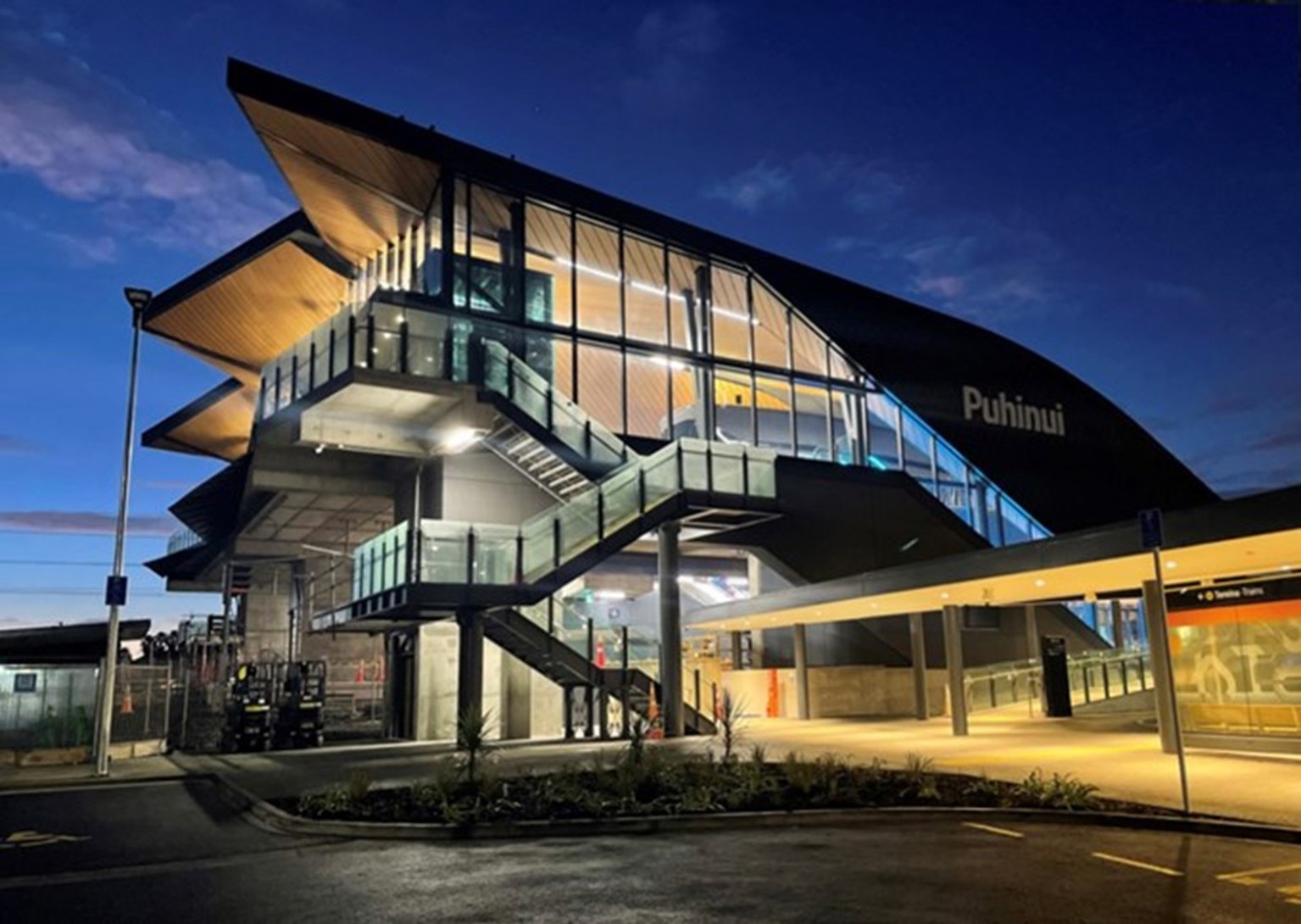
Auckland Transport unveiled the new Puhinui Station in 2021. The station is a world-class example of architecture, design and partnership that connects people from South Auckland to the airport and beyond.
The station replaced the previous facility. It has new platforms, lifts, escalators, and a large, covered concourse. There are also drop-off zones, short-term parking bays, and improved accessibility and safety, lighting, and CCTV.
From Puhinui Station you can catch the AirportLink bus service to Auckland International Airport.
Timeline
Upgraded Puhinui Station and launched the AirportLink bus service
We've upgraded the Puhinui Station in Papatoetoe. The AirportLink service is running between Auckland Airport, Puhinui Station and Manukau Station.
Extending the AirportLink to Botany
Extending the AirportLink to Botany and improving road corridor productivity along Te Irirangi Drive.
Future stages: Completing the Airport to Botany busway
The completed 18km rapid transit busway will connect with the Eastern Busway in Botany and rail at Puhinui and Manukau stations.
Project designs

Project benefits

Congestion-free corridor

Improved travel choices

Integration with existing network

Improved access between south and east
Project background
The busway will:
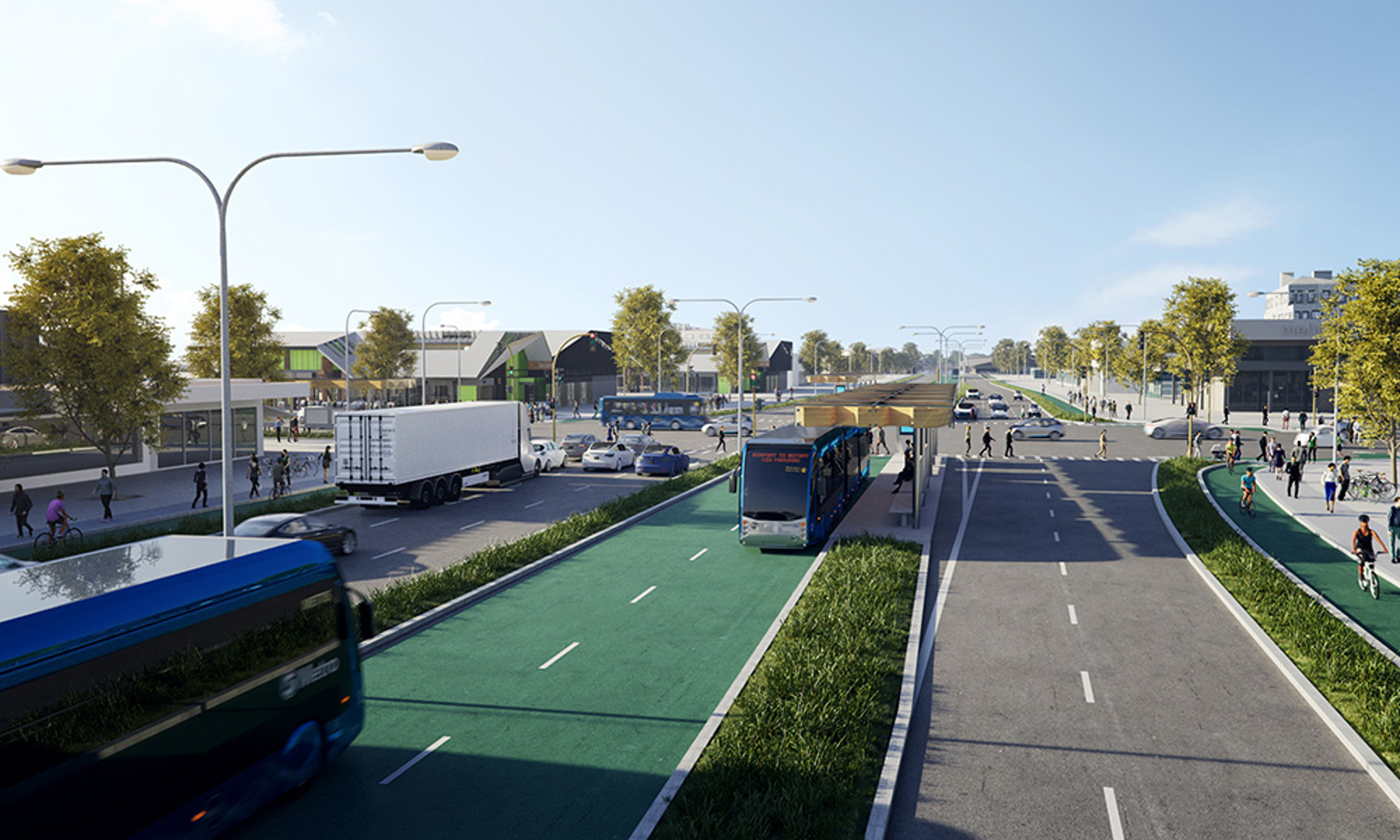
- deliver an 18km fully separated rapid transit corridor, allowing buses to bypass traffic and provide reliable public transport journeys
- have 18km of new walking and cycling facilities
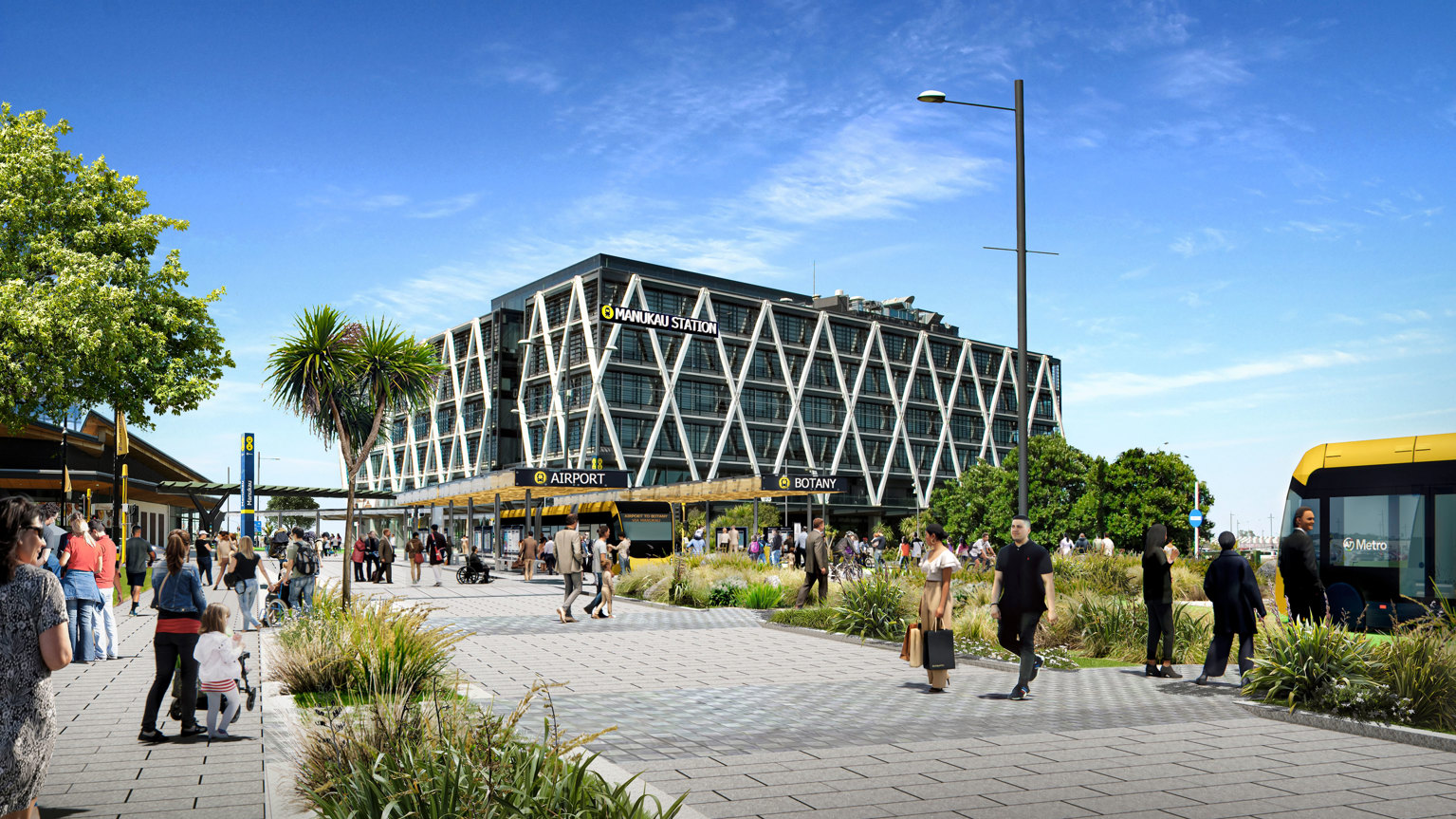
- have 12 high-quality rapid transit stations linking key destinations across the corridor
- improve access to major employment hubs including Auckland Airport, Manukau and East Tāmaki
- provide important connections to the wider rapid transit network
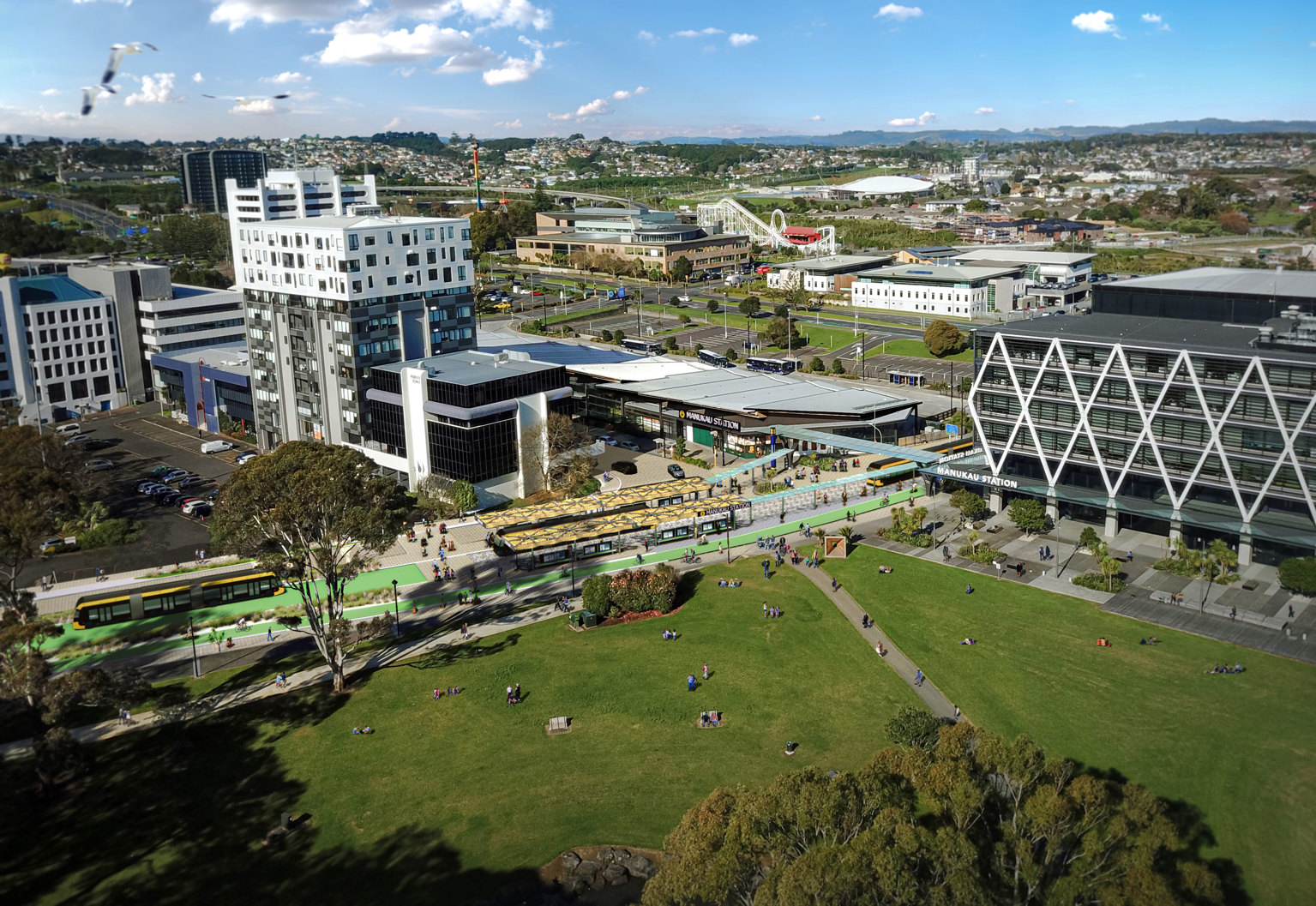
- link with rail services at Puhinui and Manukau
- link with the Eastern Busway at Botany
- make it easier for customers to travel across Auckland without needing to drive.
When complete, customers will be able to travel between Botany and Auckland Airport in around 34 to 38 minutes, no matter the traffic.
The project will also:
- support economic growth
- improve access to jobs and education
- create safer options for people walking and cycling along the corridor.
Because of its scale, we’re delivering the project in stages.
The first stage included:
- establishing the AirportLink service between Auckland Airport, Manukau and Puhinui Stations
- upgrades to Puhunui Station
- improved walking and cycling infrastructure.
The busway route is protected, with funding yet to be confirmed. Funding will next be considered in the next Regional Land Transport Plan and more will be known later this year. For more information on the Airport to Botany designations and what it means for property owners within a designation, visit Airport to Botany busway designations.
We’re delivering the project in partnership with:
- New Zealand Transport Agency
- Auckland Airport
- mana whenua.
This will benefit commuters, freight and communities by:
- making the most of early benefits
- lowering disruption
- securing Auckland’s future rapid transit network.
In 2028 we will extend the AirportLink service to Botany. There will be construction work along Te Irirangi Drive and some nearby areas. The upgrades will bring reliable, frequent public transport to the area sooner while preparing for the Airport to Botany busway.
The Airport to Botany bus rapid transit project is part of the Southwest Gateway Programme.
The Southwest Gateway Programme consists of 3 connected transport projects. It will provide greater choice and reliability for travel around south and east Auckland, including to and from the airport.